Attorneys



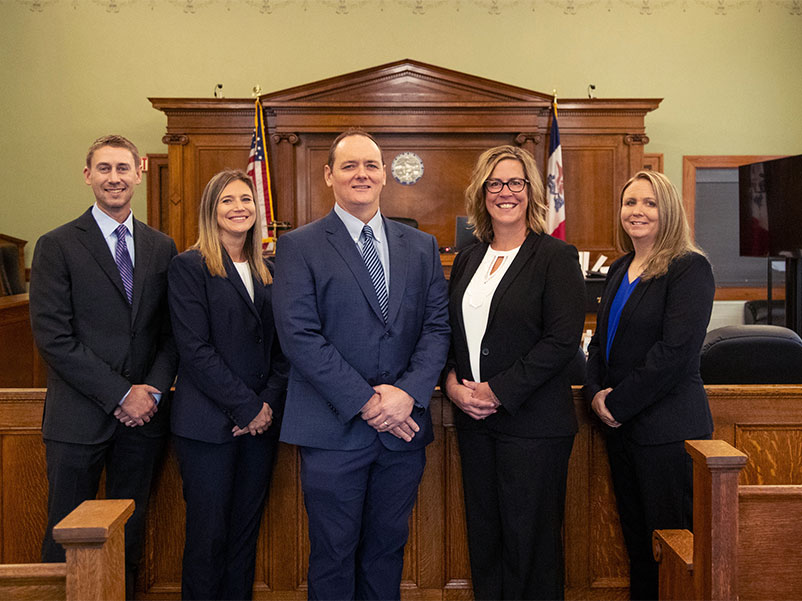














Since 1975, we have helped hundreds of injured Iowans make financial recoveries from injuries. Unfortunately, in the last 40 years, we have seen far too many hardworking Iowans make costly mistakes before they hired us because clients did not know about their rights and responsibilities under Iowa law. While you may not need an attorney in your case, you should at least learn about your rights and responsibilities so you can avoid making a costly mistake.
Walker, Billingsley & Bair Has You Covered
Knowledge is Power - Our injury attorneys are dedicated to Leveling the Playing Field Between Injured Iowans and Insurance Companies™. The attorneys at our firm have written injury books and articles and provided legal education for other attorneys. Our knowledge and experience put the power in your hands so you can make the right decisions.
Communication – Our firm takes pride in having a close relationship with our clients, and communication is a key part of this. You can rest assured that our firm will explain the legal process to you, answer all of your questions, keep you informed about your case including sending you copies of letters, and usually returning your phone calls and emails within 24 hours unless our time is being devoted to a trial.
What We Do For You - Sometimes the best advice you can get from an injury attorney when you're thinking about bringing a case is that you don't have a claim that can be won. If that is true, we will tell you so. We'll also tell you when we think you're better off handling the claim yourself. But, if your case passes our test and we accept it, you have Our Guarantee that we will follow the Golden Rule and treat you like we want to be treated. This means that you will have our personal attention and we will devote our time, money, and effort to get you the best results possible in your case. We will also keep you up to date on what is happening with your case and give you our advice as to whether you should settle your case or go to trial.